

A useful clinical discourse begins with guiding a first appointment from introductions to practical clinical judgements. Recent radiographs, treatment history, and appliance specifics are used as starting points since they provide the practitioner with more information than just a broad worry. Questions about recent radiographs can assist determine the initial priority. Treatment history provides background without determining the answer. The relationship between appliance details and broader issues should be considered rather than assumed. A review of appliance details helps the patient focus on the main goal. With recent radiographs, treatment history, and appliance specifics in mind, this preparation facilitates informed involvement, yet individual clinical judgement is still required.
Collect the relevant records.
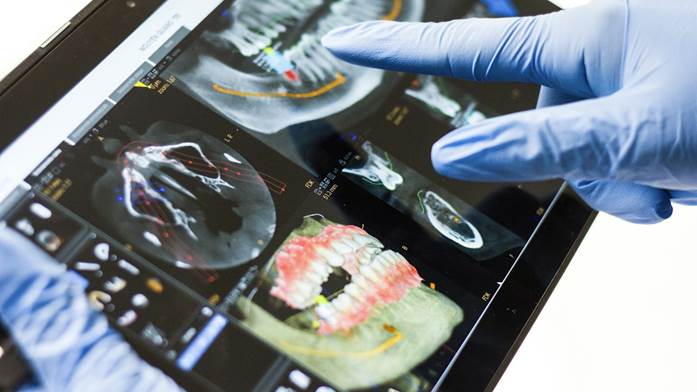
People looking into macquarie dental clinic might prepare for an appointment by jotting down current radiographs, treatment history, and appliance specifications. Questions concerning recent radiographs should address why they important and what the patient intends to clarify. The significance of the treatment history should be explained in connection to the purpose of the appointment. Any ambiguity about appliance details warrants a straightforward explanation rather than a guaranteed-sounding response. The role of appliance specifics should also be clarified before a design is approved. With current radiographs, treatment history, and appliance information in mind, online reading can assist create these questions; nonetheless, suitability, diagnosis, and therapy are dependent on a skilled physician analysing the individual.
List Medicines and Health Changes
Prescriptions, recognised allergies, and conditions influencing treatment come next in the clinical picture. Questions about medications can reveal how the issue affects comfort, function, appearance, or routines. The topic of known allergies should be considered alongside the remainder of the talk and any pertinent background. Any decision involving conditions impacting care requires professional interpretation rather than comparison to a generic checklist. The relevance of care-related conditions should be addressed, together with the available solutions and limitations. With medications, known allergies, and conditions affecting care in mind, connecting these points simplifies the treatment pathway for subsequent understanding and evaluation.
prioritise the main concern
A safe plan also requires a specific approach to the symptom or objective that is most important today. Arrangements for the symptom or objective that is most important today should be documented so that the patient understands what will happen next. A change addressing the symptom or goal that is most important today should have a reasonable review point rather than being left open ended. The responsibilities associated with the symptom or objective that is most important today must be precise enough for everyone concerned to comprehend. A record of the most important symptom or objective for today may help the following talk be more accurate and efficient. With the symptom or goal that is most important today in mind, follow-up allows care to be tailored to the person rather than requiring every patient to adhere to the same schedule.
Leave with a written next step.
Before the appointment or treatment stage is completed, review the options, prices, scheduling, and instructions for any necessary modifications. The objective of each option should be related to the agreed-upon health, comfort, or attractiveness goal. Cost decisions require an explanation of the expected advantages, constraints, and practical demands. Written time instructions assist patients remember what to do once they leave the clinic. The strategy for instructions for urgent adjustments should identify the next review, maintenance step, or contact pathway, as appropriate. With options, costs, timing, and orders for immediate changes in mind, confidence stems from clear reasoning and agreed expectations, not assurance, which responsible medicine and dentistry cannot provide.