

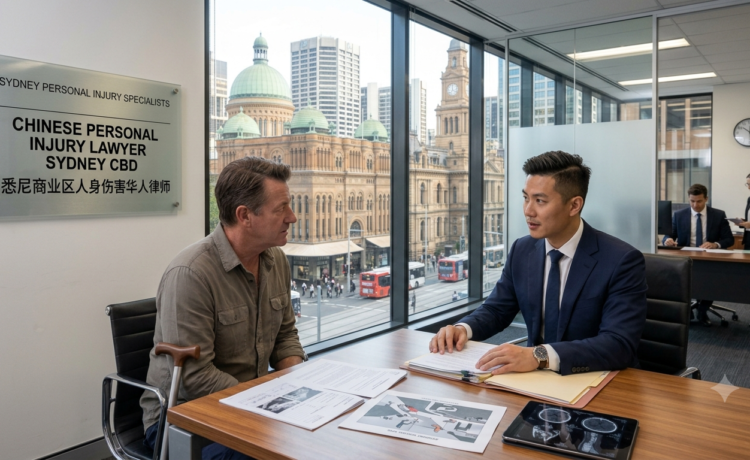
Sydney’s got a huge Chinese-speaking community, the biggest outside China, spread across the Inner West, the North West, and Hurstville. If you’re a regular around these areas, you’ll know there are heaps of Chinese restaurants, grocery stores, and shops. It’s no surprise that research shows culturally and linguistically diverse communities struggle to access the legal services they need, in this case, compensation for injuries they’ve suffered. It’s not because they’re not eligible. It’s basically just too hard because, to be honest, most of the process is only set up for people who speak English as their first language. That gap between getting what you’re entitled to and actually being able to get it is a real thing. It translates into people missing out on compensation.
The Practical Gap Between Eligibility and Access
NSW personal injury law is not biased against people who don’t speak English, come from certain backgrounds, or are on certain visas. CTP insurance, WorkCover, and the Public Liability Act are rules that apply to anyone who gets injured in NSW, whether you’re a regular Aussie, a temporary resident, or working on a visa. It’s not a question of whether you can claim. The system is simply set up in a way that works best for people who are fluent in English.
Claims for injury benefits, letters from insurers, doctors’ certificates, and court documents are all in English by default. For people who are already dealing with an injury, financial stress, and a language barrier, that’s enough to put them off trying to claim the compensation they’re entitled to. A Chinese personal injury lawyer Sydney CBD team can often make that process much easier by communicating clearly from the beginning.
What a Multilingual Lawyer Actually Provides Beyond Translation?
Being able to speak a bit of Chinese is useful for a lawyer. It’s not just about translating words. A lawyer who understands the culture, and how things work in your community, can make a real difference. If you’re Chinese, whether you speak Mandarin or Cantonese, whether you’re new to the country or a third-generation Aussie, you’re not going to approach things like a white Australian.
A good lawyer will take the time to explain things in a way that makes sense to you. You’ll understand what you need to say and what the consequences are if you don’t say it correctly. That means your claim is stronger and better supported. The quality of your claim is directly related to how well you were communicated with in the first place.
Types of Claims Most Relevant to the Sydney Chinese Community
Work accidents in places like restaurants, building sites, and shops are the most common types of claim. Chinese-speaking workers are overrepresented in many of these industries. Car accidents in and around the inner city and surrounding suburbs are also common. Slip and fall cases in shopping centres, trolley incidents, and falls on slippery floors are also regularly seen.
A lawyer who knows the community and understands the common patterns of where accidents happen can help put your claim together properly from the start. That’s much better than trying to fix problems later.
Cantonese vs. Mandarin, Why the Distinction Matters
Treating all Chinese-speaking clients as though they’re the same is a big mistake that can have serious consequences. Mandarin and Cantonese aren’t even close to being the same language. They’re not remotely understandable to people who speak one but not the other. There are also variations within each language that make communication even more complicated.
If you can identify which team members speak which dialect and pair them with the right clients, communication becomes much more effective from the first meeting through to settlement. A firm that assumes one bilingual paralegal can cover everyone, regardless of dialect, or relies on whoever happens to be available to interpret, isn’t really providing the kind of bilingual service that truly is bilingual.
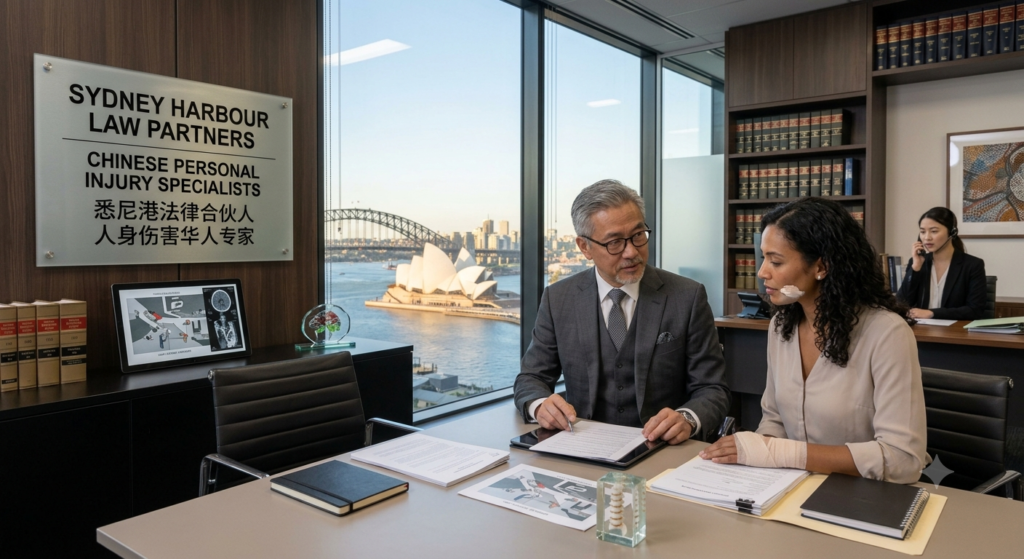
How to Identify a Genuinely Capable Chinese-Speaking Personal Injury Firm?
Language skills are a basic requirement. On their own, they don’t make all that much difference. What really matters is having a team with native-level language skills for the specific dialect, not just one person who can provide translation on an as-needed basis. They should also have NSW Law Society Specialist Accreditation in Personal Injury Law, a proven track record in CTP and workers’ compensation matters, and genuine native-level language capability.
If a firm only advertises that it can speak multiple languages but doesn’t have specialist accreditation in personal injury law, it’s basically offering general legal advice with translation added on top. That’s not even close to the same as specialist legal representation provided in the right language.