


The model of physiotherapy that has been used has been centred on the patient being able to drive, schedule their appointments, and wait at the clinic. This is no longer applicable in many cases due to a changing and increasingly larger portion of the Australian population.
The Gap Nobody Talks About
Physiotherapy Heidelberg providers working in clinic settings are best suited to patients who, although they have physical issues, are still capable of leaving their homes independently. For those who rely on others to get out of the house, either residing in aged care residences or simply suffering from physical conditions that make travel exhausting, access to treatment starts from a much higher baseline. Many patients do not even use the necessary physiotherapy despite it being available due to difficulty of access.
The Role of Family and Carers in Recovery
In-home physiotherapy will also make it easier for family members and carers to understand and assist with recovery. If the treatment is being done at the home of the patient, the carer can witness the way the exercises are being done and how best they should be helping with it. This becomes very important especially when the patient needs constant support with mobility, transferring, balancing, or doing the exercises recommended by the physiotherapist. It will enable the physiotherapist to come up with practical solutions that make the activities of the individual safer.
According to the Australian Institute of Health and Welfare, by 2050, about 22% of the population will be 65 or over, compared to 17% in 2022. The northeast suburbs of Victoria see this increase in need within the allied health system.
What In-Home Physiotherapy Looks Like in Practice?
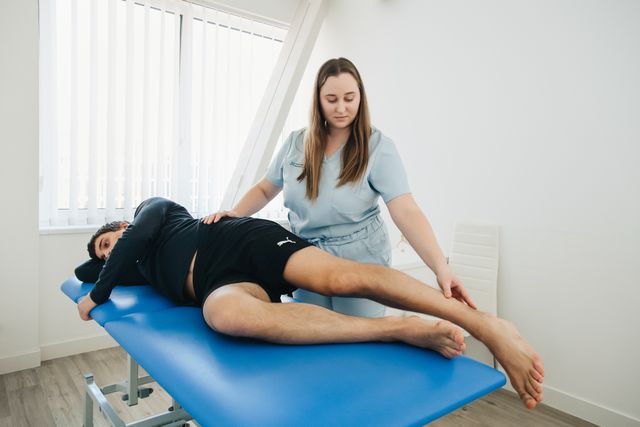
In-home physiotherapy maintains the same standards of clinical practice as a clinic visit. The physiotherapist brings their own portable treatment table, assessment and clinical equipment that includes dry needling. What differs in in-home physiotherapy is the relevance. The patient gets assessed and treated in the environment they use every day. The physiotherapist sees where trip hazards are, how placement of furniture affects mobility and creates a rehabilitation programme according to actual conditions, not theoretical ones.
In-home physiotherapy provides much more consistency. Patients do not need to arrange transportation and, therefore, are less prone to cancelling the appointment. Consistency is the place where physiotherapy can provide the best possible results.
NDIS Physiotherapy: Understanding How Funding Works
If a person receives funding through NDIS, the physiotherapy service will be fundable if it is related to physical function. The pathway of getting physiotherapy funded depends on whether the funding of the participant is NDIA-managed or plan-managed/self-managed. NDIA-managed participants are only able to use registered NDIS physiotherapy providers. Plan-managed/self-managed participants, on the other hand, can choose both registered and non-registered providers which gives them more choices including mobile in-home physiotherapy.
Aged Care Facilities and On-Site Visits
Physiotherapy providers may offer visits to residential aged care facilities to provide physiotherapy services as a part of the allied health model of care. That may be beneficial to the families whose relative is staying in residential care and needs additional physiotherapy than provided by the facility.
DVA, Medicare and Private Health Cover
Older people looking for physiotherapy may find out about several funding options:
- People who are eligible for a DVA Veteran Card can get physiotherapy services without any out-of-pocket expenses from the accepting provider; a medical practitioner’s referral is needed to get DVA-funded allied health services.
- Under the Medicare GP-Initiated Chronic Disease Management scheme, people with an eligible chronic condition can get up to five individual sessions per calendar year at the subsidised price.
- A private health fund covers part of the cost of the physiotherapy session with the gap amounting to the difference based on the level of coverage of the health fund.
In case the funding mentioned above is not applicable, there is no referral needed to contact the physiotherapist.